Greensignalco
4 Season Tent vs Lightweight Tent: Key Differences
Clear choice, clear conditions
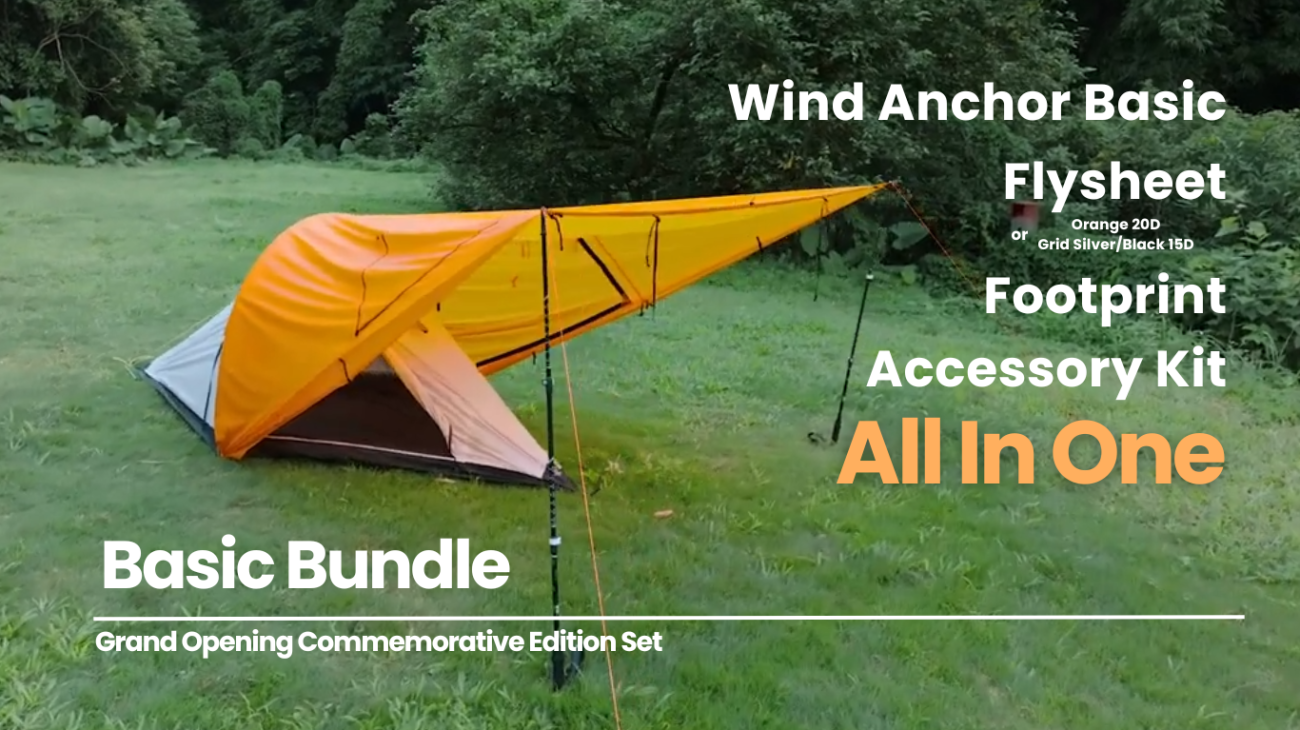
When you weigh a 4-season tent against a lightweight tent, you’re really deciding which weather and terrain you’ll face. I’ve pitched a glam camping tent at a beach braai and also carried a minimal shelter up a ridge; the difference in intent is obvious. Comparative thinking gets you to the right purchase faster: one is built to resist severe conditions, the other to shave kilos from your pack.
Design and structural differences
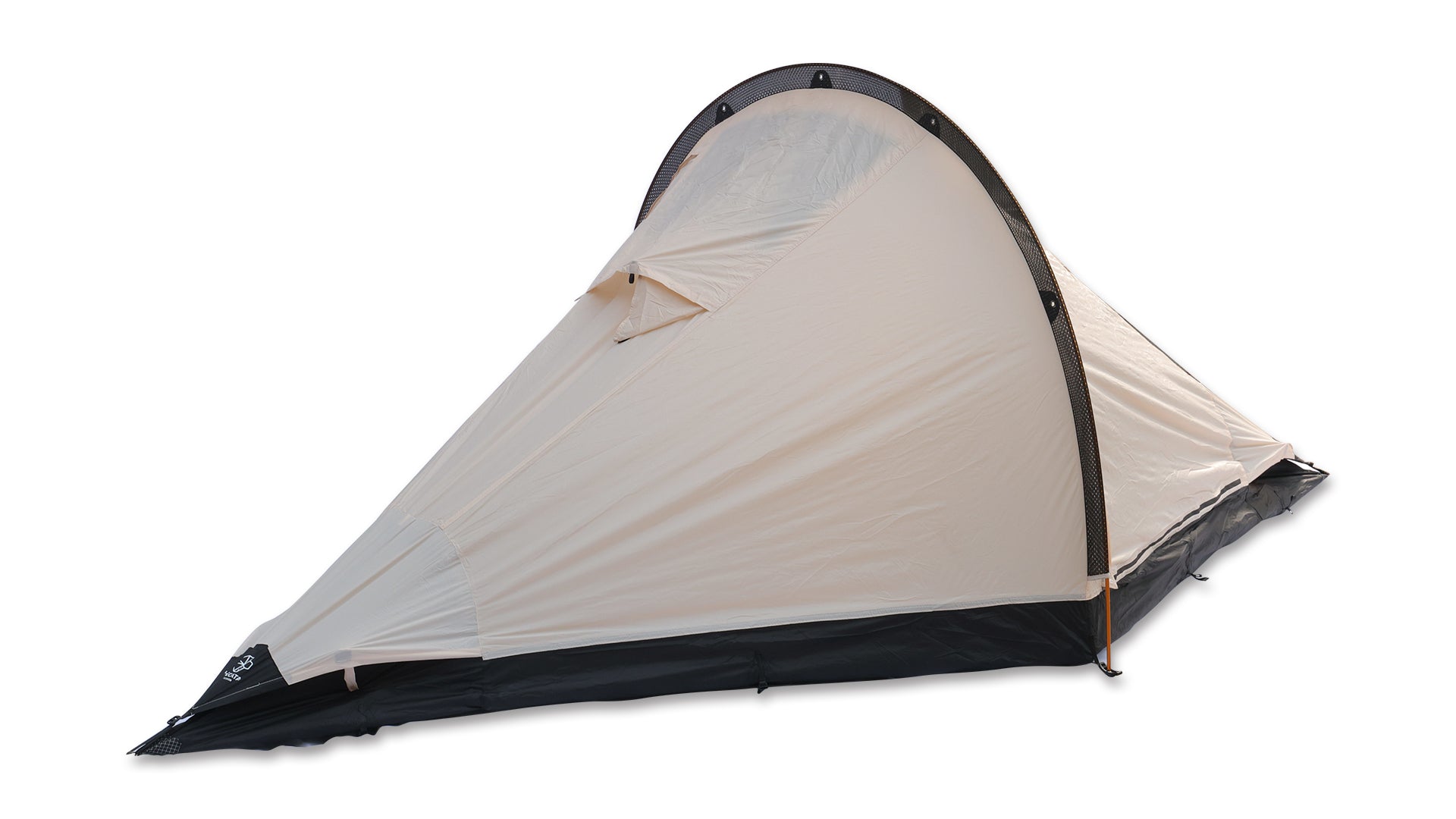
4-season tents use stronger poles, steeper walls and smaller mesh panels so snow sheds and wind doesn’t tear seams. They feel rigid and deliberate. Lightweight tents trade stiffness for thinner poles, more mesh and less fabric. You get breathability and space efficiency but you sacrifice the structural backup that stops collapses in a squall. If you need a shelter that holds its shape under heavy snow or sustained gale force, pick the heavier build.
Materials, weight and pack size
Manufacturers measure toughness by fabric denier, pole diameter and seam construction. Expect a 4-season to weigh 2–3 times a comparable lightweight model. That matters when you’re carrying gear for a multi-day traverse. Lightweight rigs use higher-spec, often-coated silnylon or Dyneema, to keep mass down; the trade-off is lower abrasion resistance and shorter expected service life if used hard and often.
Ventilation and condensation behavior
Lightweight tents favour mesh and ventilation paths, so condensation drains away in cool, calm nights. 4-season tents close up to keep warmth and block wind; that increases condensation risk unless you manage airflow deliberately. In cold, windy conditions the warmth-retention strategy beats condensation concerns. In wet, still weather, the lightweight’s breathability usually wins for comfort.
 Use cases and user profile
Choose a 4-season if you’re mountaineering, winter camping, or expecting long exposure to severe weather. Lightweight tents suit fastpacking, summer hikes, and festival camping where weight and footprint matter. Match the tent to trip profile: duration, expected storms, altitude, and how often you’ll shoulder the pack. Practical decision beats aspirational buying.
Real-world test: duplex tent on the slopes
On a weekend trip to Table Mountain I tested a duplex tent against a lightweight two-person model. The duplex held firm when a late gale hit while the lightweight needed extra guylines and re-tensioning. That single field trial sums the practical trade-off: duplex-style builds give margin for error when conditions change fast. My years guiding groups taught me to prefer margin on exposed routes; that experience shows up in simple choices like pole redundancy and reinforced corners.
Common mistakes buyers make
People buy a 4-season tent for one cold night away, or a lightweight tent for a high-wind route. Both are avoidable errors. Ignore marketing hyperbole about “all-weather” unless specs specify pole count, hydrostatic head and seam tape. Don’t skimp on a footprint or guylines; those accessories fix mistakes in the field. Measure packed size against your pack before committing — a tent that fits on a shop shelf may not fit inside your pack lid.
Alternatives and practical substitutions
If you want a middle ground, look at 3-season-plus designs with reinforced poles and full-coverage flysheets. They won’t replace a true 4-season in deep snow but perform well across shoulder seasons. For ultralight needs, consider a tarp-style shelter paired with a robust bivy if you can manage exposure. Evaluate repairability too: simple pole systems and replaceable patches extend service life when you’re far from a shop.
Buying checklist and quick tests
Check pole intersections, guyline points, zipper quality, and the tent’s hydrostatic head rating. Try a dry-setup at home to confirm pole fit and seam finishes. Weight matters only relative to your route — subtract grams only after you’re sure the shelter will stand up when the weather turns. A strong seam and a spare pole sleeve are worth extra grams when they keep you out of trouble.
Bringing it together
Decide with a clear mission: if you value margin and security on exposed ground, choose the heavier, stronger tent. If speed and packability are the priority, the lightweight option wins. Either way, practical testing and attention to specs prevent regrets. For straightforward gear choices and reliable options, THECATAL offers sensible kit that matches the real demands of trails and campsites.