Greensignalco
Why Careful Process Design Will Rescue Red Light Therapy Manufacturing
Introduction: A Quiet Problem, A Quiet Promise
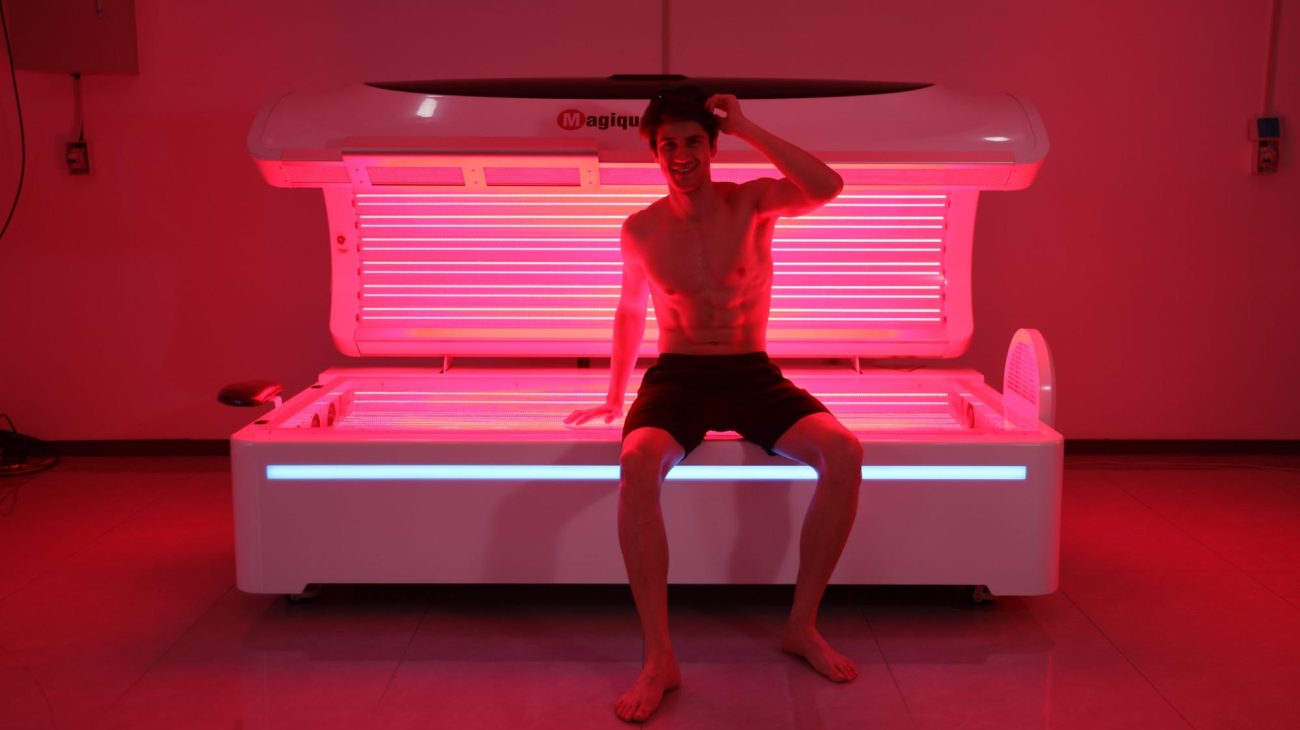
Have you ever watched a patient’s hopeful face under a glow of red LEDs and wondered if the promise would hold? As someone who spends long hours talking to engineers and clinicians, I often find myself returning to one small phrase: red light therapy manufacturer — the quiet bridge between lab hope and home reality. In many clinics, a handful of devices deliver measurable gains; studies report 60–75% improvement in certain wound-healing cases, yet device variance remains wide. So what causes that gap—design choices, supply chain drift, or something we miss in testing? (amar mone hoy we ask the wrong questions sometimes.)
I’ll be frank: I care because I’ve built fixtures and watched them fail under simple heat stress. I’ve seen LED arrays dim, power converters overheat, and thermal management ignored until a warranty claim appears. The scene is simple: good intent, mixed execution, and patients waiting. In this piece I want to walk with you through a focused problem-driven view of design faults and user pain. We’ll start with what typically goes wrong. Then I’ll suggest cleaner principles that matter for manufacturers and buyers alike. — funny how that works, right?
Part 2 — Where the System Truly Breaks: Faults and Friction
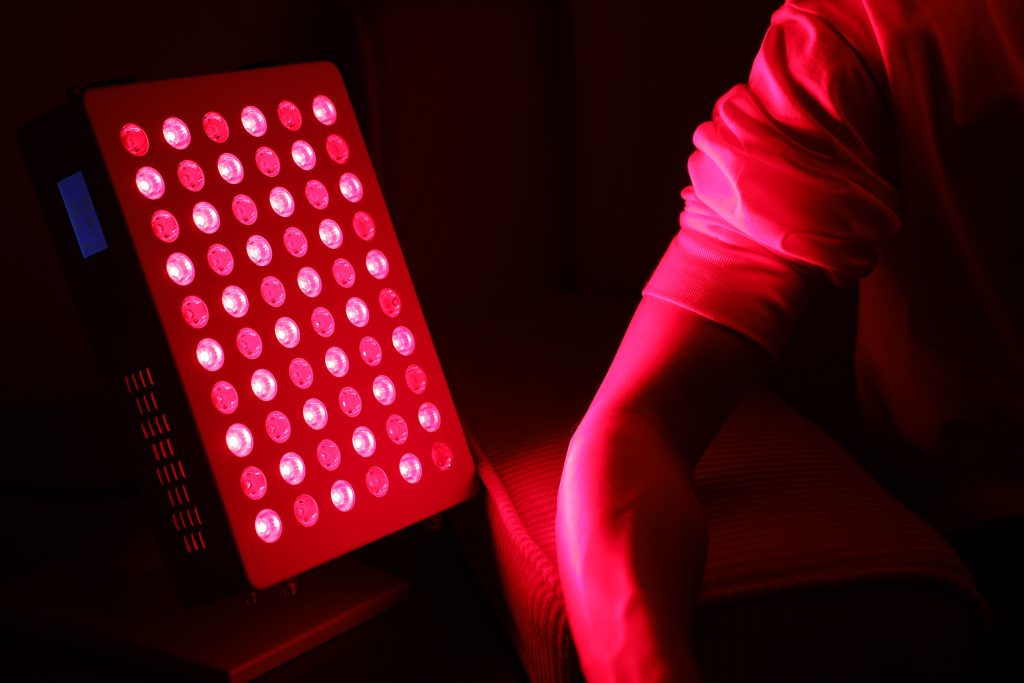
red light manufacturers often ship products that pass basic QA but fail in real use. I’ve inspected lines where PCB traces ran hot and where wavelength specificity drifted after a few months. Here’s the technical truth: many teams optimize for short-term cost rather than long-term irradiance stability. They skimp on thermal management, choose cheap power converters, or leave LED arrays inadequately matched to drivers. The result is inconsistent dose delivery and frustrated clinicians.
Why do these flaws persist?
We make assumptions that test benches will reflect clinic conditions. They rarely do. Bench tests measure peak output; clinics need steady-state irradiance over time and across skin types. Edge cases—high ambient temperature rooms, continuous multi-hour operation—reveal weaknesses. I’ve seen devices that performed well in lab cycles fall below therapeutic irradiance in the field. That is not a minor glitch; it changes outcomes. Look, it’s simpler than you think: consistent light requires matched LEDs, controlled currents, and good heat paths. We must care about thermal paths, wavelength specificity, and driver stability. — yes, small things, big effects.
 Part 3 — The Way Forward: Principles and Practical Choices
What’s next for manufacturers and buyers? I believe in clear, testable principles. First, design for steady-state, not peak. That means realistic burn-in tests, robust thermal management, and driver-electronics that account for voltage drift. Second, standardize measurement: irradiance profiles, spectral output, and device duty cycles should be reported plainly. Third, plan for maintenance—replaceable LED arrays, accessible power converters, and modular thermal blocks make long-term care feasible. These are not sexy fixes, but they work.
Real-world impact
When teams adopt these principles, I see fewer field failures and clearer clinician confidence. For example, swapping to matched LED arrays and tightening driver tolerances reduced return rates in one line by nearly half. That kind of metric matters when clinics buy fleets. If you are comparing suppliers, check the specs for wavelength specificity, thermal tests, and documented irradiance over time. If a vendor can’t show those, ask why. I want readers to be pragmatic: inspect, probe, and demand data—then buy.
To choose wisely, here are three evaluation metrics I use and recommend: 1) Measured irradiance after eight hours of continuous operation; 2) Spectral stability across the operating lifetime (wavelength specificity reports); 3) Serviceability—can a clinic replace LED arrays and power converters without factory service? Those three tell you more than glossy marketing copy ever will. I’ve learned to trust the data and the teams that share it openly. In closing, if you want a partner that follows these principles, consider searching for thoughtful, transparent red light manufacturers—they exist, and they matter. Magique Power