Greensignalco
Practical Home Garden Systems: From Soil to Satin Interiors
A practical guide weaving home improvement, interior design, gardening, and decor into a cohesive outdoor–indoor garden strategy.
Foundations of a Sustainable Garden Space
Creating a resilient garden starts with soil health and site planning, aligning with home improvement goals and interior comfort. Begin by testing soil pH, texture, and nutrient levels, then choose plant palettes that thrive in your climate while complementing interior colors on adjacent patios. For ongoing success, install an irrigation plan that adapts to rainfall and seasonality, and consider precision agriculture systems to optimize water usage and fertilizer timing without waste. This approach links exterior growth with interior living spaces through thoughtful decor and accessible management routines.
Map the garden into zones: a sunny bed for edible herbs, a shaded nook for ornamentals, and a low-maintenance groundcover path that reduces mowing time. This zoning supports recent home improvement trends toward efficient, low-maintenance landscapes and interior views through large windows. Plan vertical elements like trellises and espaliered fruit trees to maximize space and provide architectural interest that echoes decor aesthetics inside the home.
Water Features and Climate-Resilient Design
Water features can anchor a garden while teaching children and adults to observe cycles of weather and growth, tying into daily interior routines. Consider a recirculating fountain or a small rain garden that captures runoff and feeds thirsty plants during dry spells. Pair these elements with drought-tolerant species that require less maintenance, helping you preserve time for home improvement projects and indoor styling that reflects the garden’s mood.
Install concealed piping and a compact filter to minimize noise and maintenance, then choose plants with layered heights to create privacy along property lines. A shaded seating area near the feature invites relaxation, making the space feel like an extension of interior living rooms. When selecting decor, echo natural textures—stone, wood, and metal—so outdoor spaces harmonize with indoor furnishings and lighting schemes.
Edible Gardens That Nestle Into Living Spaces
Edible gardens can thrive alongside decorative beds, especially when you select varieties that fit your kitchen’s color and flavor profile. Plant compact strawberry patches, compact cherry tomatoes, and herbs in raised beds that are easy to reach from a doorway or patio. This practical setup supports daily cooking rituals and aligns with home improvement goals by reducing grocery trips while enhancing interior dining experiences with fresh ingredients.
Arrange a seating zone adjacent to the edible beds so you can harvest and sample flavors while observing plant growth. Use terracotta, bamboo, or powder-coated steel planters to add texture that complements decor themes. By blending function and beauty, the culinary garden becomes a continuous thread between exterior productivity and interior nourishment.
Pollinator Corridors and Native Plantings
Healthy pollinator corridors support fruiting plants and vibrant seasonal displays, which in turn enrich the home’s curb appeal and interior color stories. Choose a mix of native perennials and grasses that bloom at different times, creating a moving tapestry of texture and scent. This approach reduces maintenance while boosting biodiversity, aligning with mindful home improvement that respects local ecosystems and decor sensibilities.
Incorporate a small bench or rockery within the corridor to invite quiet observation and seasonal photography for interior decorating inspiration. Place signage or a simple planter label system to help family members learn plant names and pollinator relationships. The result is a living artwork that travels from garden to interior inspiration boards and decor planning sessions.
Seasonal Maintenance Routines That Save Time
Establish a monthly rhythm that covers pruning, fertilizing, weeding, and pest checks, with checklists that travel between garden tasks and interior cleaning schedules. A simple calendar on a wall or fridge helps you anticipate seasonal needs, ensuring fewer emergency fixes and more consistent progress with home improvement projects and decorative updates.
Use mulches to suppress weeds and regulate soil moisture, choosing colors that echo interior textiles and rug palettes. Pair this with efficient tools—ergonomic gloves, sharp pruners, and a wheeled cart—to reduce strain and increase your enjoyment of gardening. A steady routine fosters confidence that carries into interior projects and decor refreshes across rooms.
Sustainable Materials and Construction For Outdoor Rooms
Thoughtful material choices influence durability and aesthetics, bridging exterior spaces with interior design concepts. Select weather-resistant decking, outdoor rugs, and furniture that mirror indoor styles, such as low-profile seating and neutral-toned cushions. By treating outdoor rooms as extensions of living spaces, you create a cohesive flow that supports both garden enjoyment and interior comfort.
Consider low-maintenance planting beds with edging that matches indoor trim colors, alongside lighting plans that highlight architectural features at night. Solar-powered lights, warm LEDs, and soft path lighting can transform evenings into an extension of the home’s decor narrative. This harmony reduces clutter and fosters a consistent atmosphere across home improvement projects.
Two or Three Quick Features for Texture
In a couple of sections, you’ll find short
Texture Highlights
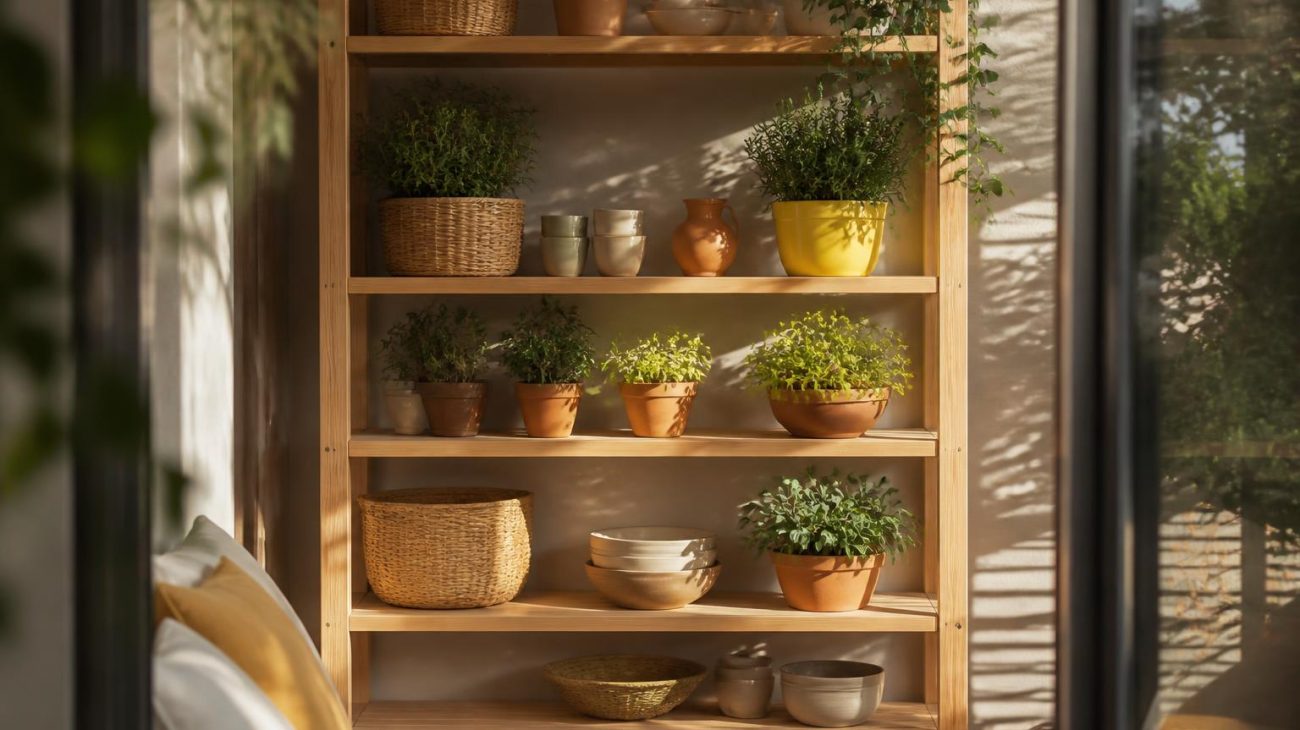
elements that add depth: a woven hammock, a standing herb rack, and a pebbled courtyard with a narrow water channel.
- Woven textures in fabrics and baskets
- Rugged stone accents and wooden planters
- Glossy ceramic tiles near seating areas
With these details, you create tactile contrasts that invite touch and exploration, supporting a home improvement mindset and interior decor cohesion. The textures echo natural materials visible in garden walls, fence lines, and plant supports, ensuring the outdoor space feels deliberate and livable.