Greensignalco
From Console Classics to Pro-Towered Esports: A Deep Dive into Modern Gaming Dynamics
Explore a detailed look at modern gaming trends, esports ecosystems, and the evolving role of game reviews in shaping player choices and culture.
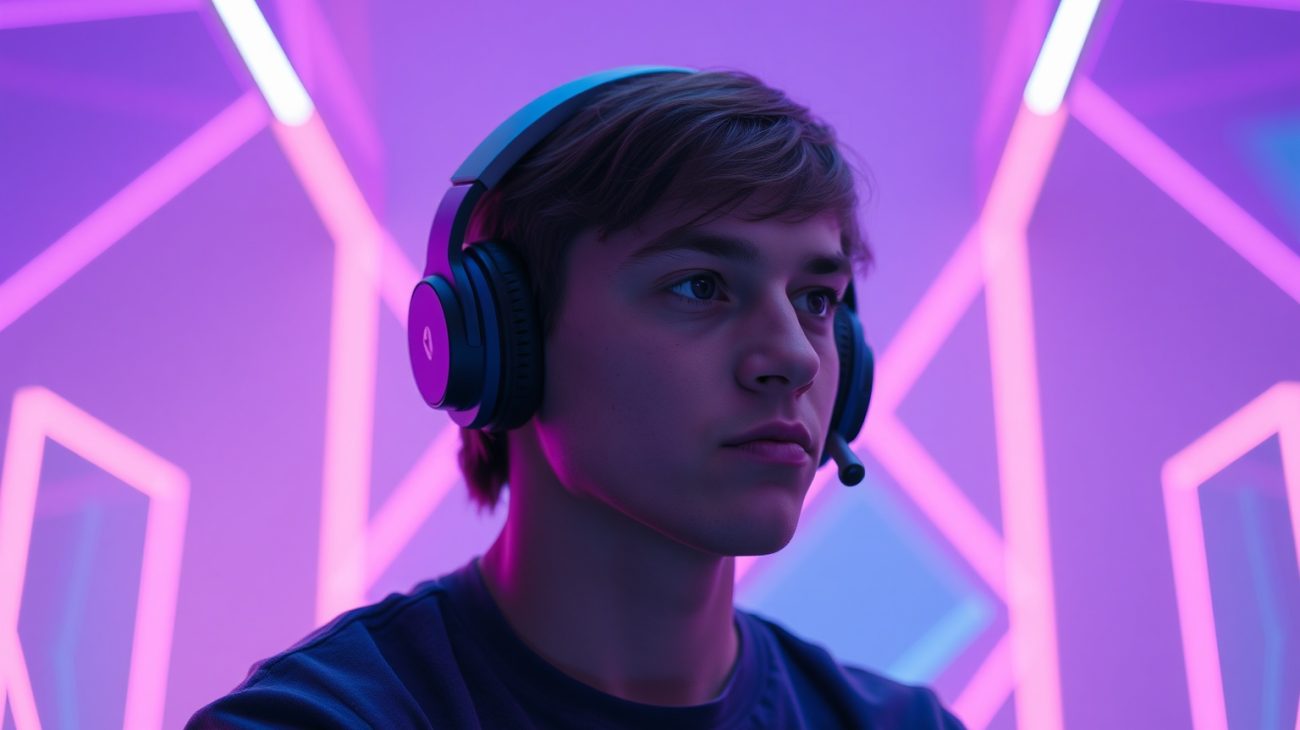
Rising Trends in Modern Gaming
Gaming has grown from a niche hobby into a cultural mainstay, driven by accessible hardware, streaming platforms, and cross‑platform play. Players now chase not only single‑player adventures but also dynamic multiplayer experiences that reward skill, strategy, and teamwork. The industry’s breadth means newcomers encounter diverse genres, from narrative adventures to fast‑paced shooters, each with its own thriving communities and content ecosystems. jemputhoki official continues to influence discourse as studios experiment with monetization, live events, and hybrid formats that blend entertainment and competition.
Across devices, players demand performance, reliability, and rapid updates, creating a feedback loop between developers and communities. This relationship pushes studios to balance ambitious features with stability, while players demand transparency about patches, balance changes, and potential downgrades. Esports and streaming have amplified the stakes, turning skill into currency and personalities into brands that attract sponsorships, viewership, and grassroots tournaments that seed local talent into global circuits.
Esports as a Cultural and Economic Engine
The esports scene has matured from basement LANs into stadium‑sized events that attract millions of online viewers and substantial sponsorship deals. Teams build organizations with dedicated coaching, analytics, and nutrition programs, mirroring traditional sports structures. Viewership analytics now guide sponsorship strategies, while broadcasters experiment with immersive formats, in‑arena interactivity, and second‑screen content that expands engagement beyond the main match. This ecosystem rewards consistency and adaptability as metas shift with patches and new titles entering rotation.
Streaming platforms amplify esports reach, enabling players to monetize skills through subscriptions, tips, and exclusive content. Fans connect with favorite players via behind‑the‑scenes streams, training clips, and match replays that help novices learn tactics and discipline. The economic model remains complex, balancing prize pools, platform revenue shares, and team budgets while preserving the aspirational journey from amateur to professional that keeps young players motivated to practice, study opponents, and refine mechanical precision.
Game Reviews in the Age of Player Agency
Game reviews have evolved from simple ratings to multifaceted guides that explore narrative depth, technical performance, accessibility, and long‑term value. Reviewers today weigh content variety, post‑launch support, and the sustainability of live service models, offering readers a framework to compare experiences across genres. Honest critiques help players manage expectations before purchase, while also pushing developers to improve on issues like optimization, bug prevalence, and thoughtful design that respects diverse player needs.
With user feedback playing an outsized role, professional reviews sit alongside community discussions, Reddit threads, and YouTube analyses to form a holistic picture. Critics increasingly highlight inclusive design choices, optional difficulty settings, and the ethical implications of monetization strategies. This layered approach supports informed decisions, enabling players to find titles that match their skill level, time constraints, and narrative preferences while recognizing the industry’s evolving standards for quality and accountability.
Cross‑Platform Play and Its Impact on Gaming Culture
Cross‑platform play dissolves walls between communities that previously siloed players by hardware. When friends can squad up across PC, console, and mobile, the social fabric of gaming strengthens, and reputations become portable. Developers respond with unified matchmaking, compatible controls, and shared progression to ensure fairness, while publishers monitor data to adjust balance and server capacity. The result is a more vibrant ecosystem where success is less about hardware and more about teamwork and strategy.
Yet cross‑play also introduces challenges, such as latency disparities, input advantages, and platform‑specific expectations that require careful tuning. Competitive scenes must adapt to varied controller schemes and keyboard‑mouse dynamics, which can affect learned habits and community norms. Despite these hurdles, the overall trajectory favors broader accessibility, ongoing content updates, and social features that keep players engaged long after the initial purchase or download satisfies their curiosity.
Indie Games and the Revival of Experimental Design
Indie developers have revitalized gaming with compact teams, focused visions, and bold experimental mechanics that push storytelling and interactivity beyond mainstream templates. These titles often prioritize atmosphere, clever puzzles, or novel control schemes, inviting players to explore lightly featured worlds that reward curiosity over rote repetition. The indie scene thrives on digital distribution, festival showings, and community modding, which together expand the lifecycle of smaller games far beyond initial launch windows.
As players crave fresh experiences, indies demonstrate how constraints fuel creativity, producing memorable moments through inventive aesthetics and tightly scoped game loops. Sound design, narrative voice, and tactile feedback become primary differentiators when budgets are modest, proving that quality does not require blockbuster scales. This ongoing innovation complements big‑budget releases, ensuring the industry as a whole remains diverse, resilient, and capable of surprising even seasoned players.
The Role of Accessibility and Inclusion in Global Gaming
Accessibility initiatives are reshaping how audiences engage with video games, opening doors for players with varying abilities and hardware access. Subtitles, color‑blind palettes, adjustable difficulty, and adaptable control schemes demonstrate a commitment to inclusive design as a baseline expectation rather than an afterthought. Developers and publishers increasingly collaborate with disability advocates to test experiences early, ensuring that important moments aren’t gated behind a single playstyle or requirement.
Inclusion extends beyond accessibility features to encompass representation in characters, narratives, and community management. Positive player communities depend on clear moderation, anti‑toxicity measures, and proactive outreach to diverse audiences. When games honor varied perspectives and offer meaningful representation, they reflect a broader cultural shift toward empathy and shared enjoyment, strengthening the appeal of video games as a global pastime that welcomes players from all walks of life.
Future Technologies Shaping Gameplay and Immersion
Advances in AI, ray tracing, and cloud gaming are transforming how games feel and perform, reducing friction between imagined worlds and hardware limitations. Realistic NPC behavior and adaptive challenge systems make worlds feel alive, while scalable cloud rendering enables higher fidelity experiences on mid‑range devices. Developers experiment with streaming models, latency‑aware physics, and cross‑play optimizations that broaden access without sacrificing responsiveness in competitive modes.
Additionally, haptic feedback, VR/AR integration, and ambient sound design contribute to deeper immersion, inviting players to physically engage with virtual spaces. As hardware budgets shift and service models evolve, studios must balance innovation with support commitments, ensuring patches, content drops, and security updates keep experiences smooth and enjoyable across diverse player setups and time zones.
Texture and Depth in Community Engagement
- Community challenges and user‑generated content extend the life of titles beyond official releases.
- Mentorship programs and coach led streams help newcomers learn competitive play with confidence.
- Regional tournaments and grassroots events cultivate talent pipelines that feed into larger circuits.